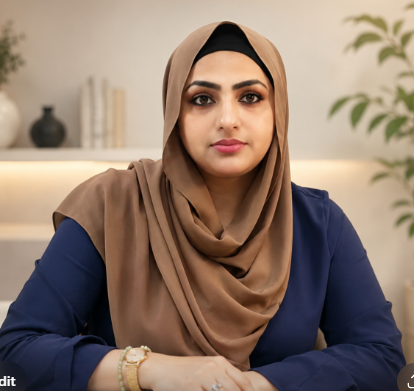
I am going to say something that Pakistani culture has historically made very difficult to say: I struggled with my mental health after immigration, and I got help, and it was one of the best decisions of my life.
Why Immigration Is Hard on Mental Health
- Loss of the social support network built over a lifetime
- Cultural adjustment and identity recalibration
- Isolation and loneliness, especially for women
- Grief — genuine grief for the life left behind
- Career identity disruption
Finding Muslim-Friendly Therapy
Psychology Today has a therapist finder where you can filter for Islam under religious/spiritual background. NASIMHA (North American Association of Muslims in Mental Health) has resources. You can find a therapist who understands Islamic values.
Self-Care That Fits Our Culture
- Tahajjud prayer — profoundly calming for Muslim women with anxiety
- Community — intentionally building and maintaining your desi community is mental health care
- Physical movement — walking, swimming, yoga
You are not weak. You are not faithless. You are human, doing an extraordinarily difficult thing. Asking for help is an act of courage and wisdom. ☕

Leave a Comment ☕